

The diagnosis of neuroendocrine neoplasms
Issuing time 2025-11-27 17:05:06
The diagnosis of neuroendocrine neoplasms (NENs) relies on confrmation of neuroendocrine diferentiation in the setting of appropriate morphology. This can be accomplished by using immunohistochemical stains for several antibodies (INSM1, synaptophysin, chromogranin A); they each have diferent degrees of specifcity and sensitivity.
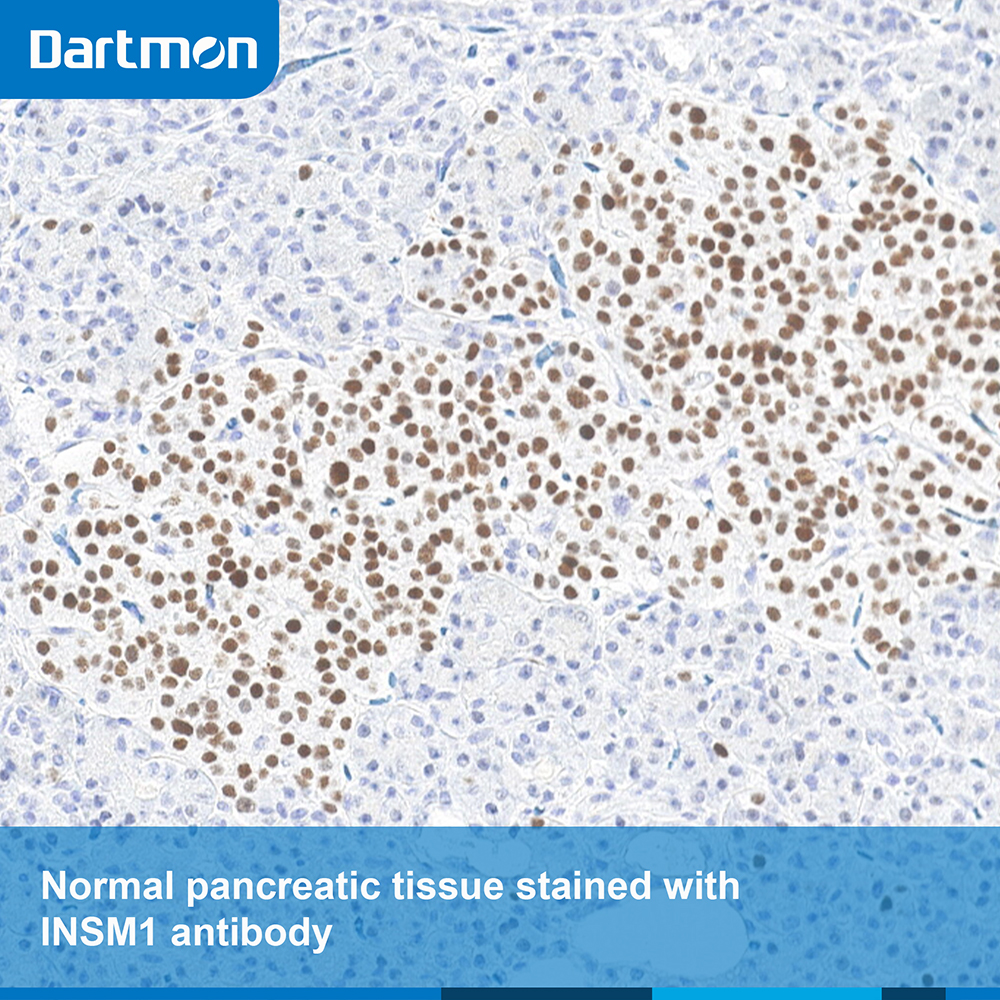
INSM1
INSM1 (Insulinoma-Associated Protein 1) is a zinc finger transcription factor that plays a crucial role in the differentiation and maturation of the neuroendocrine system during embryonic development. In adult tissues, it is predominantly and restrictively expressed in normal neuroendocrine cells and tumors derived from these cells, which lays the foundation for its use as a biomarker for neuroendocrine neoplasms.
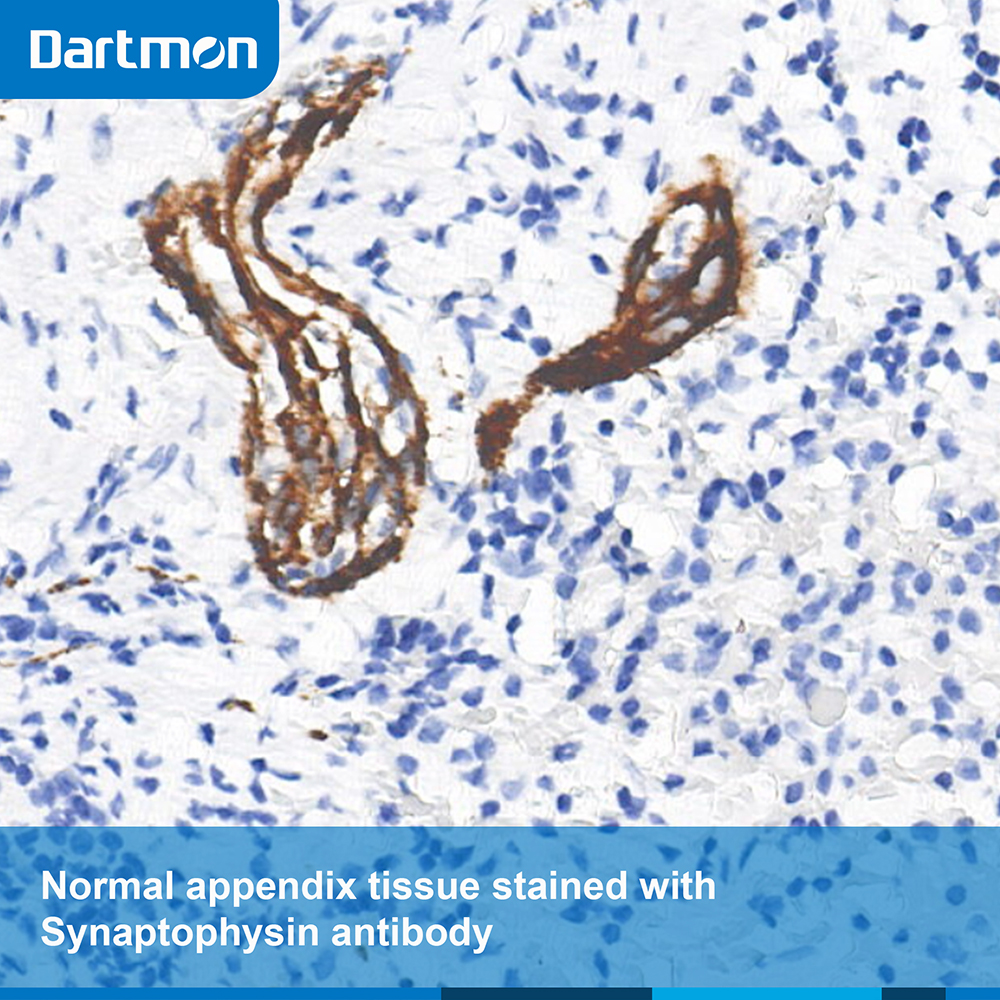
Synaptophysin
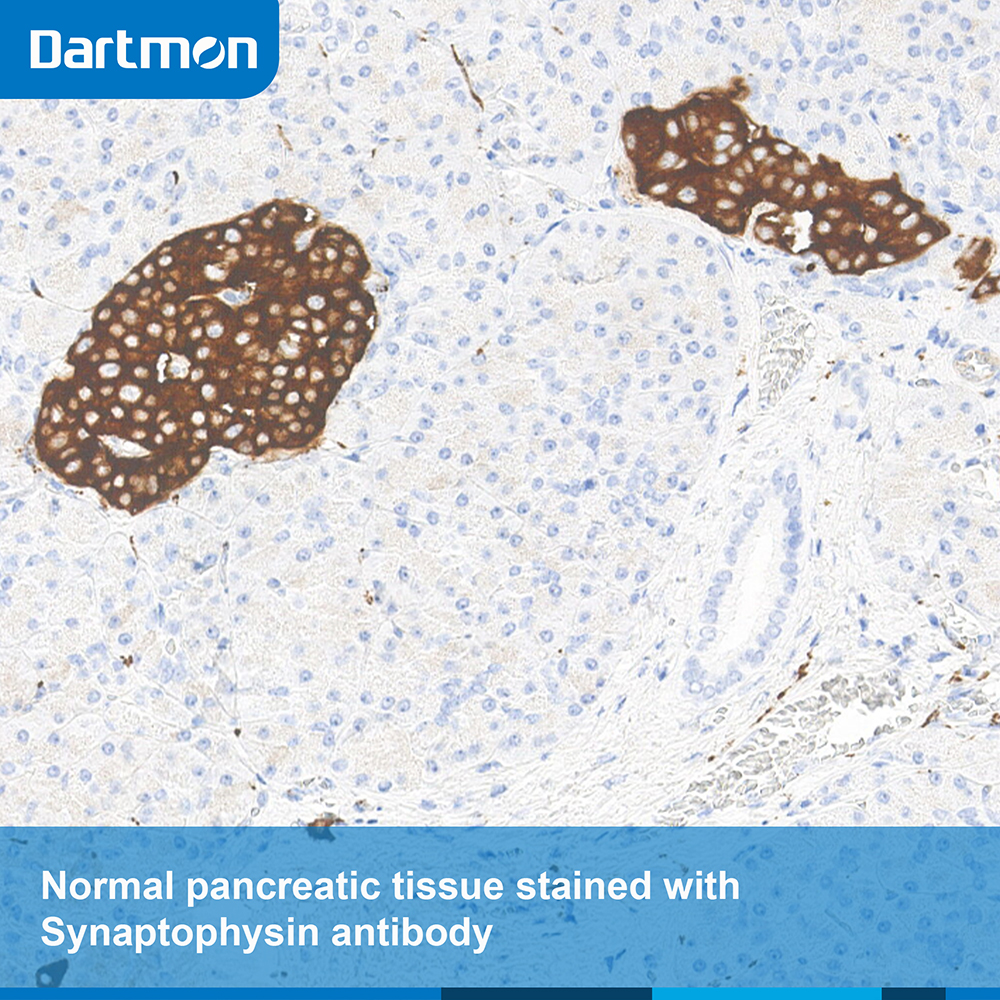
Synaptophysin (SYN) is a transmembrane glycoprotein with a molecular weight of approximately 38 kDa, which is mainly localized on the membrane of synaptic vesicles in neuroendocrine cells. In adult tissues, SYN is primarily expressed in nerve cells of the central nervous system and peripheral nervous system, as well as in normal neuroendocrine cells across various systems of the body.
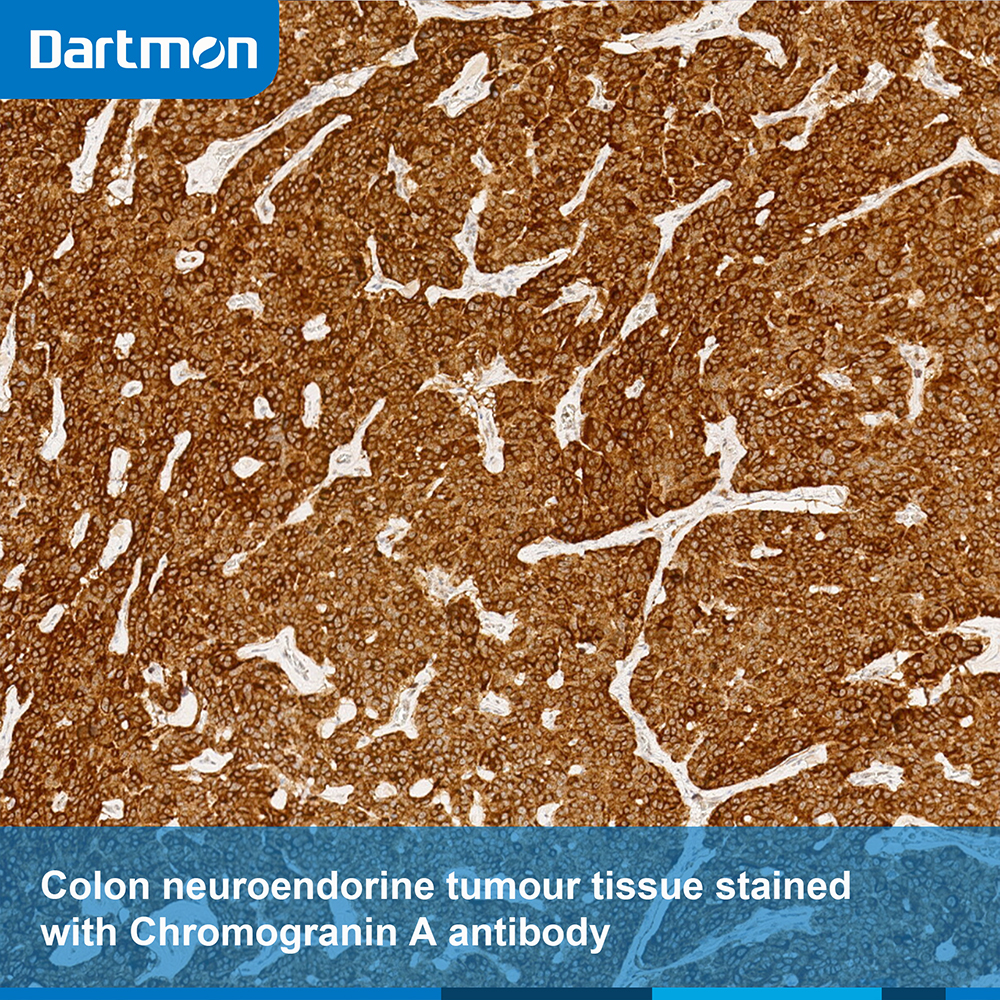
Chromogranin A
Chromogranin A (CgA) is an acidic soluble glycoprotein with a molecular weight of approximately 48 kDa. As a core member of the chromogranin family, it is mainly stored in the large dense-core granules of neuroendocrine cells. CgA is primarily expressed in normal neuroendocrine cells across various systems of the body, while its expression in non-neuroendocrine cells is extremely rare.
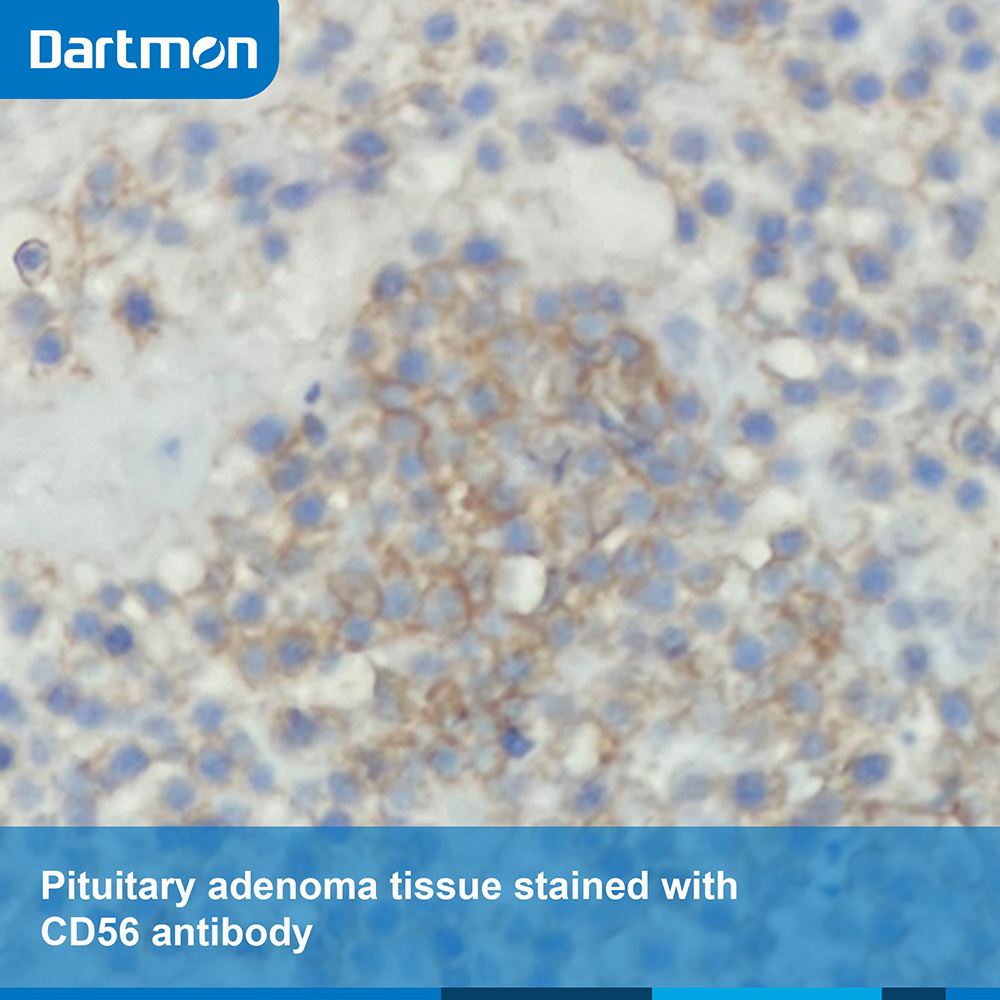
CD56
CD56, a type of neural cell adhesion molecule (NCAM), is positively expressed in most neuroendocrine neoplasms, including pulmonary neuroendocrine neoplasms (e.g., small cell lung cancer, carcinoid tumors), gastroenteropancreatic neuroendocrine neoplasms (GEP-NETs), and medullary thyroid carcinoma.
Currently in clinical practice, INSM1 is often used in combination with SYN, CgA, and CD56 to form the "quadruple immunostaining panel for neuroendocrine markers" (or "neuroendocrine marker quadruple test").
We offer a variety of primary antibodies for the diagnosis of neuroendocrine neoplasms.
